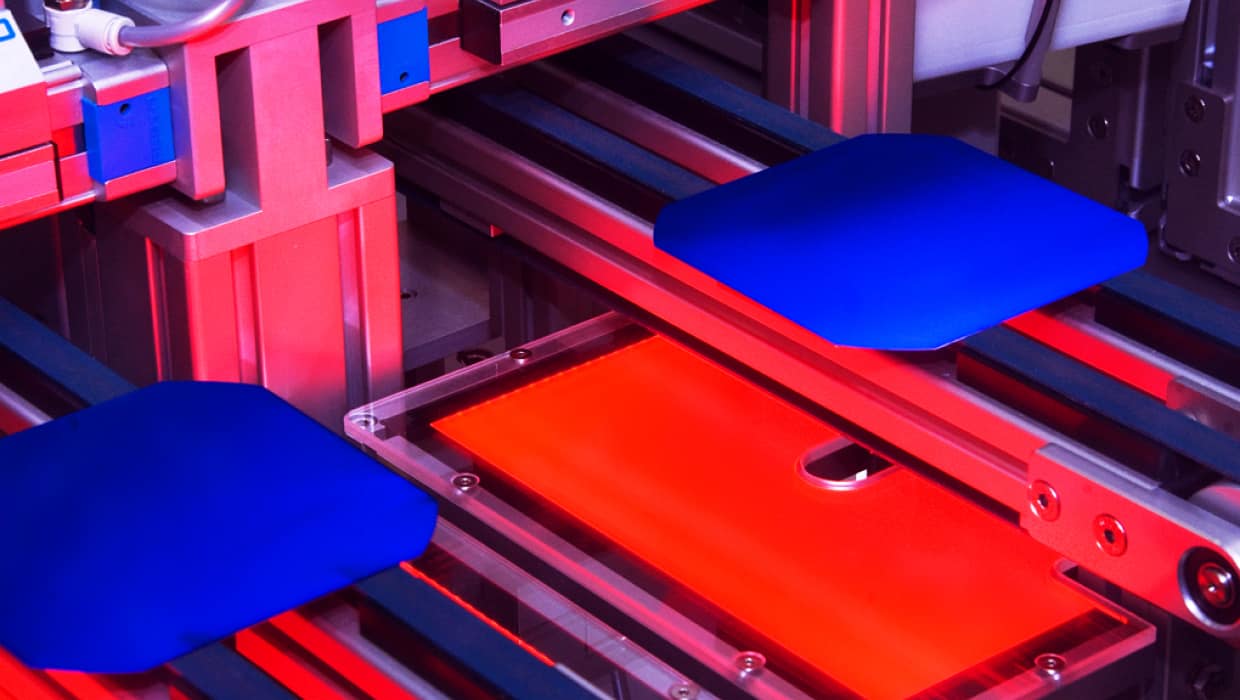
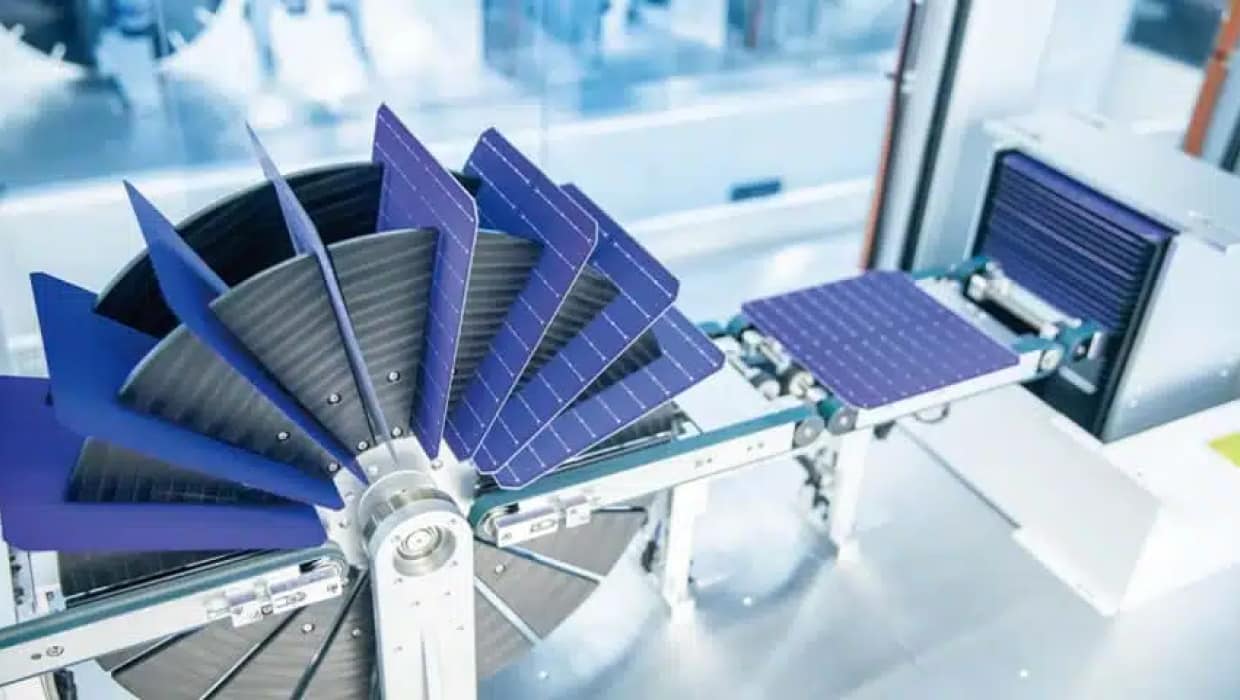
HJT Solar Panels: Innovative Technology for Efficient Solar Energy Generation

Exploring the Potential of HJT Technology in Solar Panel Manufacturing: A New Era in Electrification

HJT

The quest for sustainable energy sources has led to the rise of solar power as a frontrunner in clean and renewable electricity generation. Among the latest advancements in solar technology is the development of HJT (Heterojunction with Intrinsic Thin-layer) solar panels, representing a significant leap forward in efficiency and performance compared to traditional solar cells.

Advantages of HJT Technology

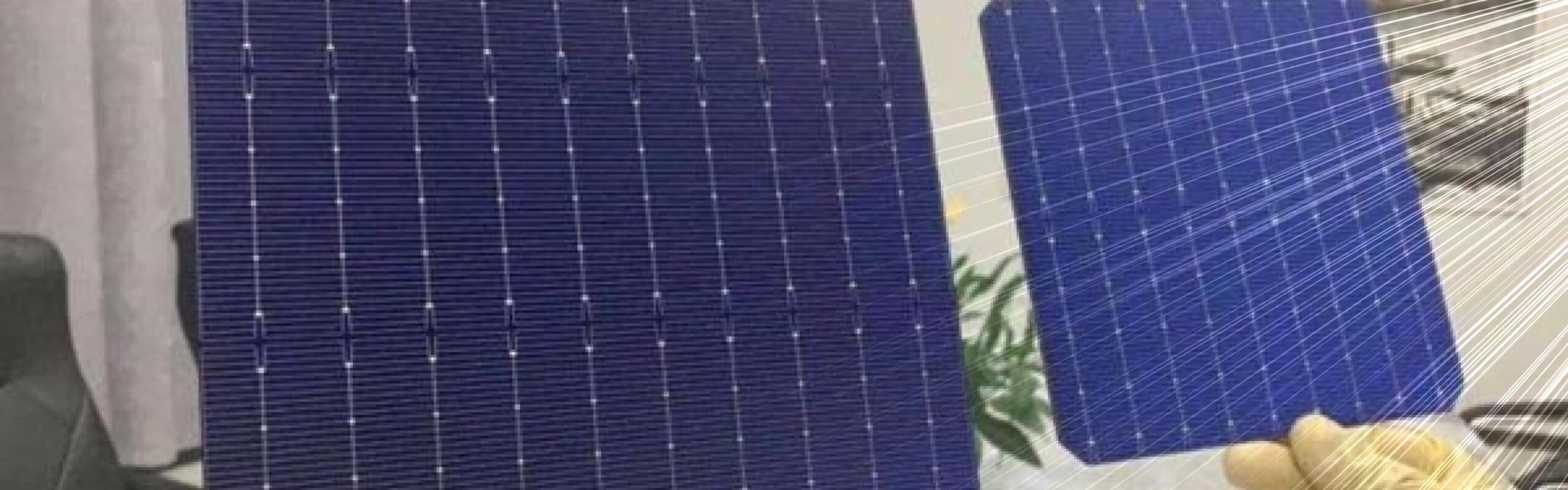
HJT technology employs a unique design that combines crystalline silicon with thin layers of amorphous silicon, enhancing solar cell efficiency by minimizing energy loss and maximizing light absorption. This section explores the key advantages of HJT panels, including higher energy yield per square meter, improved temperature coefficient characteristics, and potential for cost reduction over time.

Efficiency and Performance

HJT solar panels boast exceptional efficiency in converting sunlight into electricity, even under low light conditions. Their higher energy yield per square meter makes them ideal for installations where space is limited or where maximum energy output is desired. Additionally, their improved temperature coefficient characteristics ensure high performance even in hot climates, making them suitable for regions with high solar irradiance and ambient temperatures.

Cost Reduction Potential

While initial manufacturing costs may be higher compared to traditional solar panels, it is completely offset by the advantages of the HJT technology:

  • Higher efficiency rates compared to traditional solar panels
  • Enhanced performance in low light conditions
  • Improved temperature coefficient for better performance in hot climates
  • Longer lifespan and reduced degradation over time

Versatility and Customization

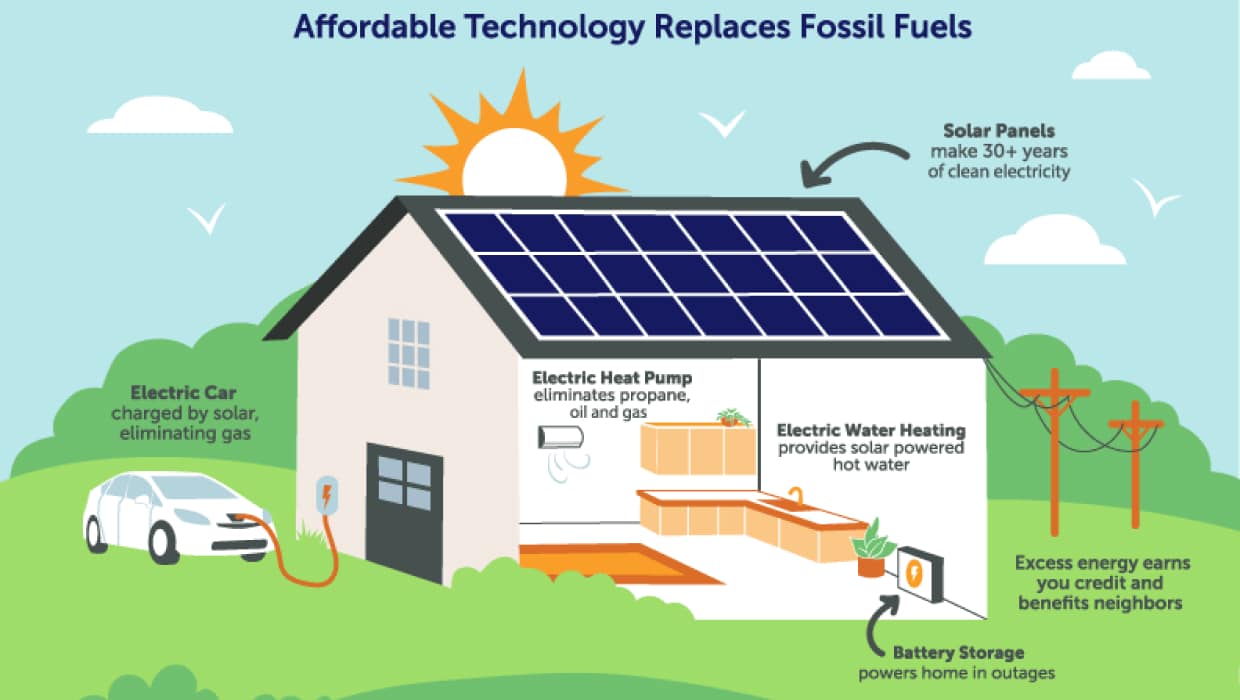
HJT technology offers versatility in customization according to specific customer needs, whether for residential, commercial, or industrial applications. HJT solar panels can be tailored to meet varying energy demands and installation requirements, further expanding their applicability across diverse sectors.

  • Customizable designs to meet specific energy needs and installation requirements.
  • Adaptability for various applications, including residential, commercial, and industrial sectors.
  • Enhanced flexibility in system integration, allowing seamless incorporation into existing infrastructures.
  • Compatibility with different mounting configurations, such as roof-mounted, ground-mounted, or building-integrated setups.

Conclusion

HJT provides several advantages, including higher efficiency and longer life that more than compensates the higher initial investment and represents the next step in building more efficient and lucrative commercial and residential solar installations.